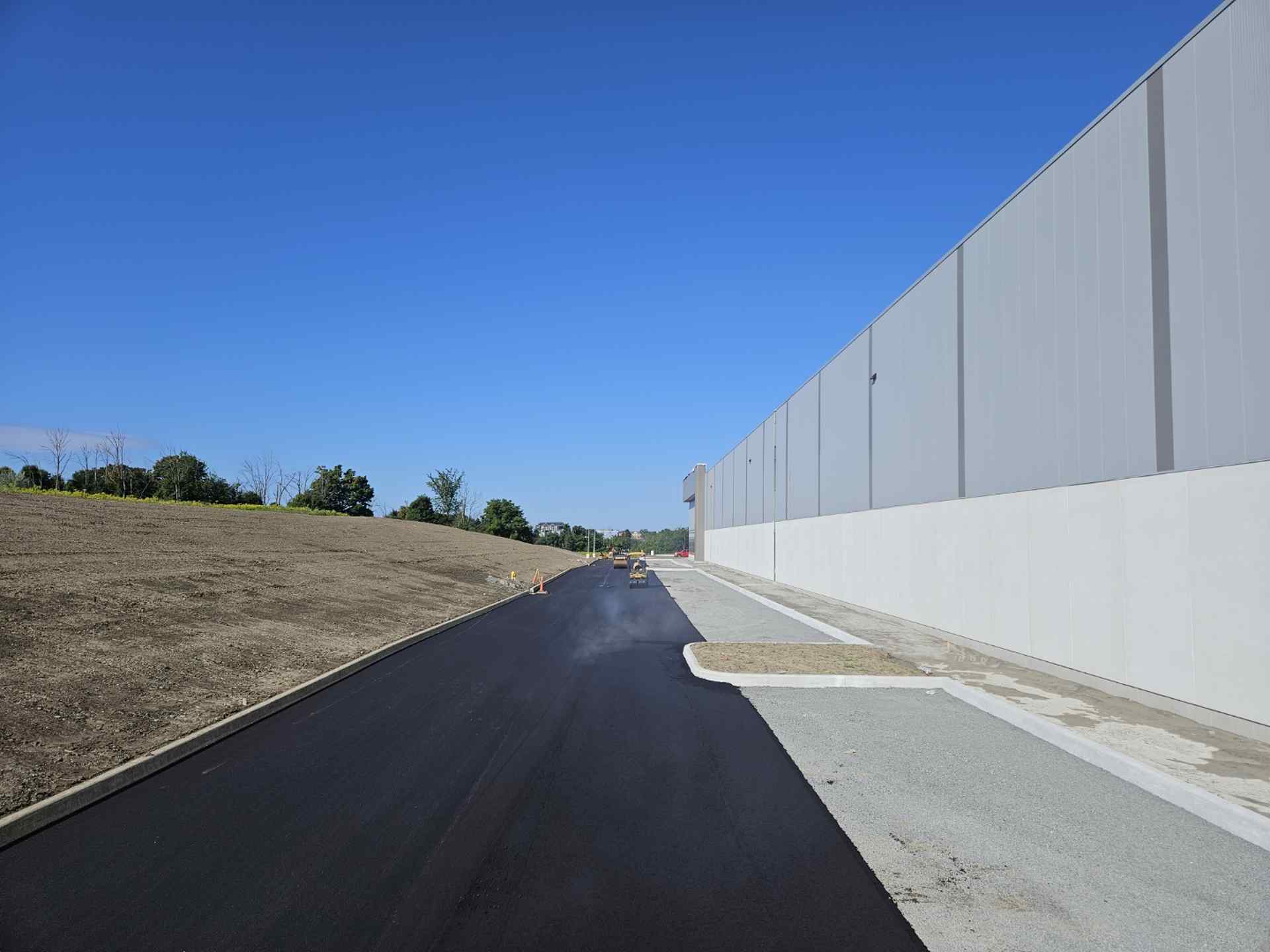
Large-scale asphalt paving projects are not just construction jobs. They are operational challenges.
When you’re working on a commercial plaza, industrial yard, or retail property, the goal is not only to complete the paving — it’s to do it without shutting everything down. Businesses still need access. Deliveries still need to happen. Customers still need to move in and out.
That’s where phasing becomes critical. Phased paving is the difference between a project that disrupts operations and one that runs smoothly alongside them. When done properly, it allows work to move forward while the property continues to function.
What Does “Phasing” Mean in Asphalt Projects?
Phasing is the process of breaking a large paving project into smaller, manageable sections that are completed in stages instead of all at once. Instead of closing the entire site, the project is divided into zones. Each zone is:
- Prepared
- Paved
- Completed
…before moving on to the next. This approach ensures that parts of the property remain accessible at all times.
Why Can’t Large Asphalt Projects Be Done All at Once?
In most commercial environments, full closure is not an option. Retail properties need:
- Customer access
- Open parking areas
- Safe pedestrian movement
Industrial sites need:
- Continuous truck movement
- Loading and unloading zones
- Access to operational areas
Closing everything at once creates revenue loss, operational delays, and safety risks. Phasing allows the work to be completed without stopping business activity.
How Is a Phased Asphalt Project Planned?
Planning starts before any equipment arrives on site. A proper phasing plan considers:
- Traffic flow patterns
- Entry and exit points
- High-use areas
- Business hours
- Emergency access
Each phase is mapped out in advance so that there is a clear sequence of work. This prevents confusion and ensures that both the crew and the property operate efficiently during the project.
What Happens During the First Phase of a Project?
The first phase typically focuses on one section of the property while the rest remains open. This may include:
- Isolating a portion of the parking lot
- Redirecting traffic to alternate areas
- Setting up temporary signage and barriers
Work in this phase may involve asphalt removal, surface preparation, base work, and initial paving. Once this section is completed and ready for use, traffic is shifted, and the next phase begins.
How Is Traffic Managed During Phased Paving?
Traffic management is one of the most important parts of the process. Clear direction is required to avoid confusion and maintain safety. This includes:
- Temporary signage
- Marked entry and exit points
- Controlled traffic flow routes
- Separation of work zones from active areas
In retail environments, this ensures customers can still park and access stores. In industrial settings, it ensures trucks and equipment can continue operating without interruption.
How Do Contractors Decide Which Areas to Phase First?
The sequence of work is based on how the property is used. Common strategies include:
- Starting with low-traffic areas first
- Leaving main access points open until later phases
- Prioritizing sections that cause the least disruption
In some cases, work may be scheduled around peak business hours, delivery schedules, or tenant requirements. The goal is to minimize impact while maintaining efficiency.
How Long Does Each Phase Typically Take?
The timeline depends on the size of the project, the condition of the existing surface, weather conditions, and the complexity of the layout. Some phases may take 1–2 days for smaller sections, or several days for larger or more complex areas. Spacing out the work allows each section to be completed properly before moving on.
How Do Phased Projects Maintain Safety on Active Sites?
Safety is a major concern when construction and daily operations happen at the same time. Measures include:
- Clearly defined work zones
- Physical barriers between crews and traffic
- Controlled pedestrian pathways
- Communication with property management
These steps reduce the risk of accidents and ensure the site remains functional during construction.
What Role Does Communication Play in Phased Paving?
Communication keeps the project running smoothly. Property managers, tenants, and crews need to be aligned. This includes sharing project timelines, notifying tenants of upcoming phases, coordinating access changes, and adjusting schedules when needed. When everyone understands the plan, disruptions are minimized.
How Do Phased Projects Impact Overall Project Quality?
Phasing does not reduce quality. In many cases, it improves it. Working in sections allows:
- More controlled execution
- Better attention to detail
- Proper curing and finishing
Instead of rushing a full site, each section is completed with focus.
Can Phasing Extend the Timeline of a Project?
Yes, phasing can extend the overall timeline compared to full closure. However, the trade-off is important. Instead of shutting down operations completely, you get:
- Continuous business activity
- Managed workflow
- Reduced disruption
For most commercial properties, this is the preferred approach.
What Types of Properties Benefit Most from Phased Asphalt Projects?
Phased paving is ideal for:
Retail Properties
- Shopping plazas
- Big-box retail locations
- Multi-tenant commercial spaces
Industrial Sites
- Warehouses
- Distribution centers
- Manufacturing facilities
Office Complexes
- Multi-building campuses
- Business parks
Any property that cannot afford downtime benefits from phased work.
What Are the Common Challenges in Phased Projects?
Phased projects require coordination and flexibility. Challenges may include:
- Adjusting to changing site conditions
- Managing traffic flow in limited space
- Coordinating with multiple stakeholders
- Working around weather conditions
Experienced contractors plan for these challenges and adapt as needed.
How Does Experience Impact Phased Project Execution?
Experience plays a major role in how smoothly a phased project runs. An experienced team understands how to sequence work efficiently, how to manage active sites, and how to minimize disruption.
Empire Paving has been handling large-scale commercial and industrial paving projects for nearly 50 years. We understand how to keep projects moving while keeping properties operational.
When Should Property Owners Consider Phased Paving?
Phased paving should be considered when the property cannot be fully closed, there is constant traffic or daily operations, multiple tenants rely on access, or safety is a concern. Planning ahead allows the project to be structured properly from the beginning.
What Does a Successful Phased Asphalt Project Look Like?
A successful project is one where:
- Work is completed on schedule
- Business operations continue
- Traffic flow remains functional
- The final surface meets performance expectations
The best projects are the ones where disruption is minimal, and the results last.
Final Thoughts: Build Without Shutting Down
Large-scale asphalt projects don’t have to mean lost business or operational downtime. With the right planning, sequencing, and execution, paving can be completed in phases that keep your property running. Phased paving is not just about construction — it’s about coordination, timing, and understanding how the space is used.
Plan Your Next Project with Minimal Disruption
If you’re planning a large-scale paving project and need a strategy that keeps your property operational, the first step is proper planning.
Empire Paving works with commercial and industrial properties across the GTA to deliver phased paving solutions that reduce disruption and maintain efficiency.
📍 50 High Meadow Pl, North York, ON M9L 2Z5
📞 (647) 691-0607
Contact us to discuss your project and build a plan that works around your operations.


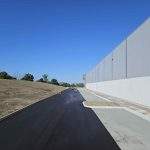
 We were very pleased with the professional job done by Empire Paving this fall.
Luciano and his team were very reliable, knowledgeable and able to handle all issues that arose during completion of this project. We would highly
recommend Empire Paving for any paving job!
We were very pleased with the professional job done by Empire Paving this fall.
Luciano and his team were very reliable, knowledgeable and able to handle all issues that arose during completion of this project. We would highly
recommend Empire Paving for any paving job!