

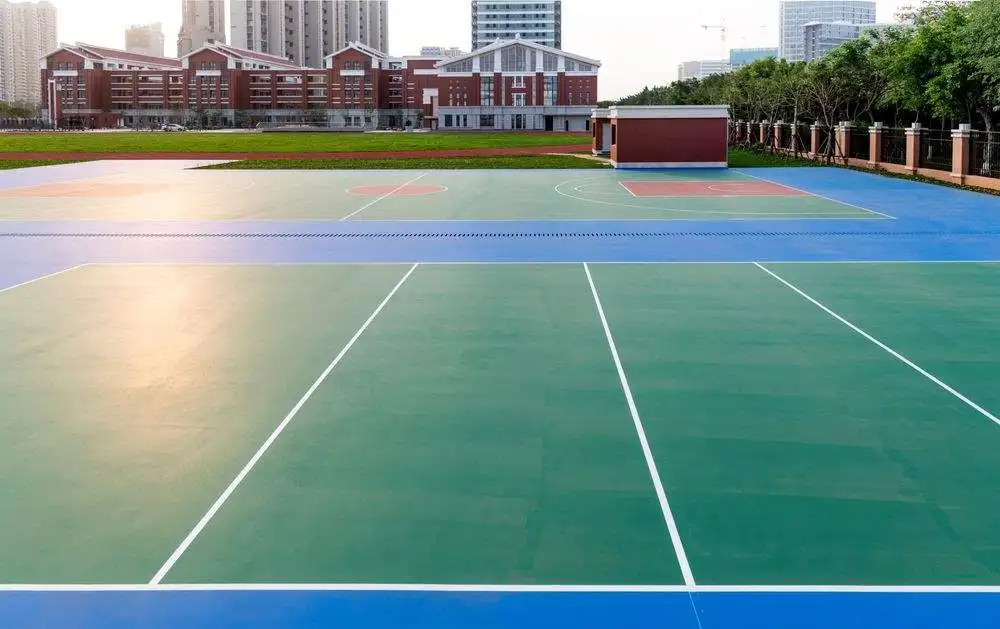
Summer break is the busiest season for school facility improvements, and for good reason. Once students return in September, construction windows become extremely limited. Parking lots fill up, buses begin operating daily, sports programs resume, and thousands of students and staff rely on safe, accessible outdoor surfaces every day.
For schools across Ontario, asphalt repairs and sports court maintenance are often pushed down the priority list until visible damage becomes impossible to ignore. Unfortunately, waiting too long can lead to safety concerns, accessibility issues, liability risks, and emergency repairs that disrupt school operations.
The weeks leading up to September represent the final opportunity for schools to address pavement and sports surface deficiencies before the academic year begins.
Whether you manage an elementary school, secondary school, private academy, college campus, or educational facility, understanding which asphalt and sports court issues require immediate attention can help protect students, improve safety, and avoid costly disruptions during the school year.
Why Is Summer the Most Important Time for School Asphalt Repairs?
Most educational facilities experience their lowest pedestrian and vehicle traffic during summer break. This creates an ideal environment for paving contractors to complete work efficiently while minimizing disruption.
Once September arrives, even relatively minor repairs become more complicated. School buses, parent drop-off traffic, staff parking requirements, and student movement patterns significantly reduce flexibility for construction activities.
Completing asphalt paving, repairs, and sports court upgrades before the first day of school allows facilities to start the academic year with fully functional outdoor spaces that are safer and easier to maintain.
Schools that schedule work early also benefit from better contractor availability, as paving companies often experience their highest demand during late summer.
What Asphalt Problems Should Schools Address Before Students Return?
Not every crack or surface imperfection requires immediate replacement. However, certain pavement conditions should be considered high priority before September.
Large potholes remain one of the most common safety concerns found on school properties. These defects create trip hazards for students and staff while also increasing the risk of vehicle damage in parking lots and bus loading zones.
Areas with extensive cracking should also be evaluated. Water infiltration through cracks accelerates pavement deterioration and can lead to larger structural issues over time.
Uneven pavement surfaces deserve particular attention around:
- Main entrances
- Student drop-off areas
- Bus loops
- Sidewalk connections
- Accessibility routes
- Portable classroom access points
These locations experience constant pedestrian traffic throughout the school year and can quickly become liability concerns if left unaddressed.
Are School Parking Lots Affecting Safety and Traffic Flow?
Parking lots play a larger role in school safety than many people realize.
During morning arrivals and afternoon dismissals, hundreds of vehicles may pass through a school’s parking lot and traffic circulation system within a relatively short period.
Faded pavement markings, unclear traffic patterns, and deteriorated asphalt can create confusion for parents, visitors, and staff.
Before September, schools should evaluate:
- Parking lot condition
- Directional arrows
- Crosswalk markings
- Fire routes
- Accessible parking spaces
- Student drop-off zones
- Bus loading areas
Fresh pavement markings help improve traffic organization while making pedestrian crossings more visible and safer.
For larger campuses, updated line striping can significantly improve vehicle flow and reduce congestion during peak periods.
What Sports Court Repairs Should Schools Complete Before Fall Programs Begin?
Outdoor athletic facilities often see heavy use throughout the school year. Basketball courts, tennis courts, pickleball courts, and multi-purpose recreation surfaces are frequently used during physical education classes, extracurricular activities, and community programs.
Small surface issues can quickly become safety concerns when students are running, changing direction, or participating in organized sports.
Common sports court problems that should be addressed before September include:
- Surface cracking
- Low spots
- Drainage issues
- Surface separation
- Faded game lines
- Uneven playing surfaces
- Surface wear from weather exposure
Well-maintained sports courts provide a safer playing environment while extending the lifespan of the facility.
For schools planning athletic program upgrades, summer remains the most practical time to complete resurfacing projects before students return.
How Important Is Accessibility Compliance for School Pavement?
Accessibility remains a critical consideration for educational facilities.
Students, staff, visitors, and parents rely on safe and accessible routes throughout school properties every day.
Damaged asphalt, uneven transitions, deteriorated walkways, and worn accessible parking areas can create challenges for individuals with mobility needs.
Before the school year begins, facilities teams should review:
- Accessible parking spaces
- Sidewalk connections
- Curb transitions
- Main entrance pathways
- Pedestrian crossings
- Surface elevations
Addressing these issues before September helps support accessibility goals while improving the overall experience for everyone using the facility.
Can Small Asphalt Repairs Prevent Larger Capital Expenses?
One of the most common misconceptions in facility management is that delaying pavement maintenance saves money.
In reality, minor repairs completed at the right time often prevent more extensive rehabilitation projects later.
Crack sealing, localized patching, pavement repairs, and targeted maintenance can significantly slow deterioration when performed early.
For school boards managing multiple facilities, proactive maintenance strategies often produce better long-term budgeting outcomes than reactive emergency repairs.
Regular pavement assessments allow decision-makers to prioritize projects based on condition, risk, and available funding.
What Should School Administrators Look for During a Summer Facility Inspection?
Before the start of the academic year, administrators and facility managers should conduct a comprehensive review of all outdoor surfaces.
A detailed inspection typically includes:
- Parking lots and driving lanes, looking for potholes, cracking, settlement, and traffic flow concerns.
- Sidewalks and pedestrian areas, checking for trip hazards, surface deterioration, and accessibility concerns.
- Sports courts and recreational surfaces, evaluating surface condition, markings, and player safety.
- Bus loops and loading zones, ensuring pavement can safely accommodate daily traffic volumes.
- Drop-off and pick-up areas, identifying opportunities to improve circulation and pedestrian visibility.
Documenting issues early allows schools to prioritize repairs before contractor schedules become limited heading into late summer.
Why Do Many Schools Schedule Paving Projects During Summer Break?
The answer is simple: fewer disruptions and better project efficiency.
Summer allows contractors to work without interfering with class schedules, student movement, school events, and transportation operations.
Many educational institutions also use summer maintenance periods to coordinate multiple facility improvements simultaneously, including paving, concrete work, landscaping, and athletic facility upgrades.
Completing these projects before September reduces the likelihood of unexpected closures, safety concerns, and operational challenges during the school year.
When Is the Best Time to Schedule School Asphalt and Sports Court Work?
The best time is typically earlier than most schools expect.
Contractor schedules often become increasingly busy throughout the summer, particularly for large-scale paving projects.
Schools that begin planning in spring or early summer generally have greater flexibility when selecting project dates and phasing requirements.
Waiting until August can limit scheduling options and create pressure to complete work before students return.
For facilities already preparing for the next academic year, now is the ideal time to assess pavement conditions and identify any repairs that should be completed before September.
Frequently Asked Questions
How long does school parking lot paving typically take?
Project timelines depend on property size, repair requirements, weather conditions, and phasing plans. Smaller repairs may take only a few days, while larger paving projects can require additional scheduling.
Can schools remain operational during asphalt repairs?
Yes. Many paving projects can be phased to maintain access while work is being completed. Summer break often provides the greatest flexibility.
When should sports courts be resurfaced?
Sports courts should be resurfaced when cracking, surface wear, drainage issues, or safety concerns begin affecting performance and usability.
What areas should schools prioritize first?
High-traffic locations such as parking lots, bus loops, pedestrian routes, accessible pathways, and sports courts should generally receive priority attention.
Does pavement maintenance extend asphalt lifespan?
Yes. Regular maintenance and timely repairs help protect pavement conditions and can significantly extend the service life of asphalt surfaces.
Prepare Your School Property Before September
Back-to-school season arrives quickly. Schools that address asphalt repairs, parking lot maintenance, sports court improvements, and accessibility concerns during summer are better positioned for a safe and successful academic year.
From parking lots and bus loops to basketball courts and pedestrian pathways, investing in pavement improvements before September helps create a safer environment for students, staff, parents, and visitors while reducing the likelihood of disruptive repairs during the school year.

 We were very pleased with the professional job done by Empire Paving this fall.Luciano and his team were very reliable, knowledgeable and able to handle all issues that arose during completion of this project. We would highly
recommend Empire Paving for any paving job!
We were very pleased with the professional job done by Empire Paving this fall.Luciano and his team were very reliable, knowledgeable and able to handle all issues that arose during completion of this project. We would highly
recommend Empire Paving for any paving job!